
The plural type of uterus takes heart stage, providing a captivating exploration into the intricacies of reproductive biology. Understanding this important facet opens doorways to a deeper comprehension of human anatomy and its exceptional features.
Whereas the singular kind, “uterus,” is continuously encountered, the plural kind, “uteri,” is equally essential. This exploration delves into the right utilization, its historic context, and the refined but important variations in that means and implication in comparison with the singular kind. This can be a crucial level for readability in scientific and medical contexts. The knowledge offered right here goals to offer a complete and correct understanding of this matter.
The time period “uterus” is a singular noun referring to the feminine reproductive organ. Figuring out its plural kind, nonetheless, just isn’t as easy as one may count on. This complete information explores the varied views on this matter, contemplating linguistic conventions, anatomical contexts, and the nuances of medical terminology.
Singular vs. Plural: Navigating the Linguistic Panorama
In commonplace English grammar, the plural of “uterus” is usually shaped by including “-es,” leading to “uteri.” That is the commonest and extensively accepted plural kind, significantly inside medical and scientific contexts.
Medical and Scientific Utilization
Medical professionals and researchers nearly completely use “uteri” when referring to a number of uteri. This conference ensures readability and precision in anatomical discussions, avoiding ambiguity. The addition of “-es” aligns with commonplace English pluralization guidelines.
Past the Fundamentals: Contextual Issues
Whereas “uteri” is the prevalent plural kind, different contexts could necessitate various approaches. Understanding the particular context is essential for figuring out essentially the most applicable utilization.
Historic and Literary Utilization
Historic texts and literary works may generally make use of various plural varieties, though “uteri” is the norm in trendy scientific and medical discourse. Nonetheless, for historic or literary evaluation, the unique context needs to be thought of.
Anatomical Variations and Situations
In circumstances of anatomical variations or circumstances affecting a number of uteri, using “uteri” stays the usual. This ensures readability in medical discussions. Understanding the medical implications of such variations is important.
Exploring Associated Phrases and Synonyms
Understanding the nuances of associated phrases and synonyms can present a extra full image. This permits for a deeper comprehension of the broader matter.
Womb and its Pluralization
Whereas “uterus” and “womb” are sometimes used interchangeably, their plural varieties differ. The plural of “womb” is “wombs.” This refined distinction highlights the significance of contemplating the particular time period when discussing plural varieties.
The plural of uterus is uteri, a reality that may not instantly leap out. Understanding this refined grammatical nuance, nonetheless, generally is a highly effective springboard for exploring associated medical terminology. Just like the “let it sink in” meme here , greedy the proper plural kind requires a second to course of the knowledge. This element underscores the significance of precision in medical contexts, highlighting the intricate relationships between language and information within the discipline.
Additional Issues for Associated Medical Phrases
Associated medical phrases, equivalent to “uterine,” will even require pluralization primarily based on the context. Understanding these variations is important for exact communication within the medical discipline.
Whereas the singular type of uterus is easy, understanding the idea of mutually unique potentialities in medical contexts is essential. For instance, the presence of 1 specific plural type of uterus, or the absence of a specific situation, may be mutually unique from one other chance. This implies the existence of 1 situation negates the opposite, an idea additional explored in what does it mean to be mutually exclusive.
In the end, this intricate interaction of potentialities considerably shapes the medical understanding of the plural type of uterus.
Sensible Purposes and Examples
To additional illustrate using “uteri,” take into account these sensible functions and examples:
Medical Prognosis and Remedy
In medical experiences, “uteri” is used when discussing a number of uteri. This ensures accuracy and precision in diagnoses and remedy plans. [Image: Diagram illustrating multiple uteri in a clinical context]
Scientific Analysis and Research, Plural type of uterus
Scientific research usually contain evaluation of a number of uteri. This requires using “uteri” to precisely replicate the topic of the analysis.
The plural of uterus is uteri, a time period usually encountered in medical contexts. Realizing this may be essential when deciphering medical jargon, particularly when tackling a crossword clue like “English river,” a standard puzzle component. For instance, in case you’re caught on a crossword clue like that, a fast seek for “crossword clue english river” here may provide helpful insights, and this might in the end enable you to resolve a puzzle associated to the plural type of uterus.
On a regular basis Language and Context
In on a regular basis dialog, “uterus” isn’t utilized in its plural kind. As a substitute, “wombs” or different descriptive phrases may be used. [Image: Table comparing usage of plural form of uterus in various contexts]
Conclusion and Additional Exploration: Plural Type Of Uterus
The plural type of “uterus” is predominantly “uteri.” Whereas different varieties exist, this conference is essentially the most prevalent in medical and scientific contexts. Additional analysis into associated medical terminology and anatomical variations is inspired.
[See also: Understanding the Female Reproductive System]
The plural type of uterus is uteri. Navigating complicated medical terminology may be difficult, akin to attempting to rake throughout the coals rake across the coals of a cussed argument. Nonetheless, understanding such phrases is essential for correct communication in medical contexts, particularly when coping with specialised terminology like uteri.

[See also: Common Gynecological Conditions]
Understanding the nuances of pluralization, particularly in technical contexts, is important for clear and exact communication. This information permits for a extra thorough comprehension of the related data.
Contemplate sharing this text and leaving a remark beneath together with your ideas or questions.
In conclusion, the plural type of uterus, “uteri,” is a vital component within the examine of human anatomy and reproductive techniques. This exploration has highlighted the significance of precision in language, significantly in medical and scientific fields. Additional analysis into associated matters can result in a richer understanding of this elementary facet of human biology.
The plural of uterus is uteri. Understanding this elementary anatomical time period is essential, particularly when researching medical circumstances. Curiously, this organic idea finds a captivating parallel within the intriguing world of “nikki nikki 9 doorways,” a captivating exploration of surrealism. In the end, each the plural type of uterus and the idea of “nikki nikki 9 doorways” spotlight the complexities of life and the various avenues of information and exploration.
That is helpful for anybody delving into the intricacies of the human physique.
Often Requested Questions
What’s the distinction between the singular and plural types of uterus?
The singular “uterus” refers to a single organ. The plural “uteri” refers to a number of uteri, as may be encountered in sure medical or scientific contexts. The excellence is essential for accuracy and readability.
Why is the plural kind essential?
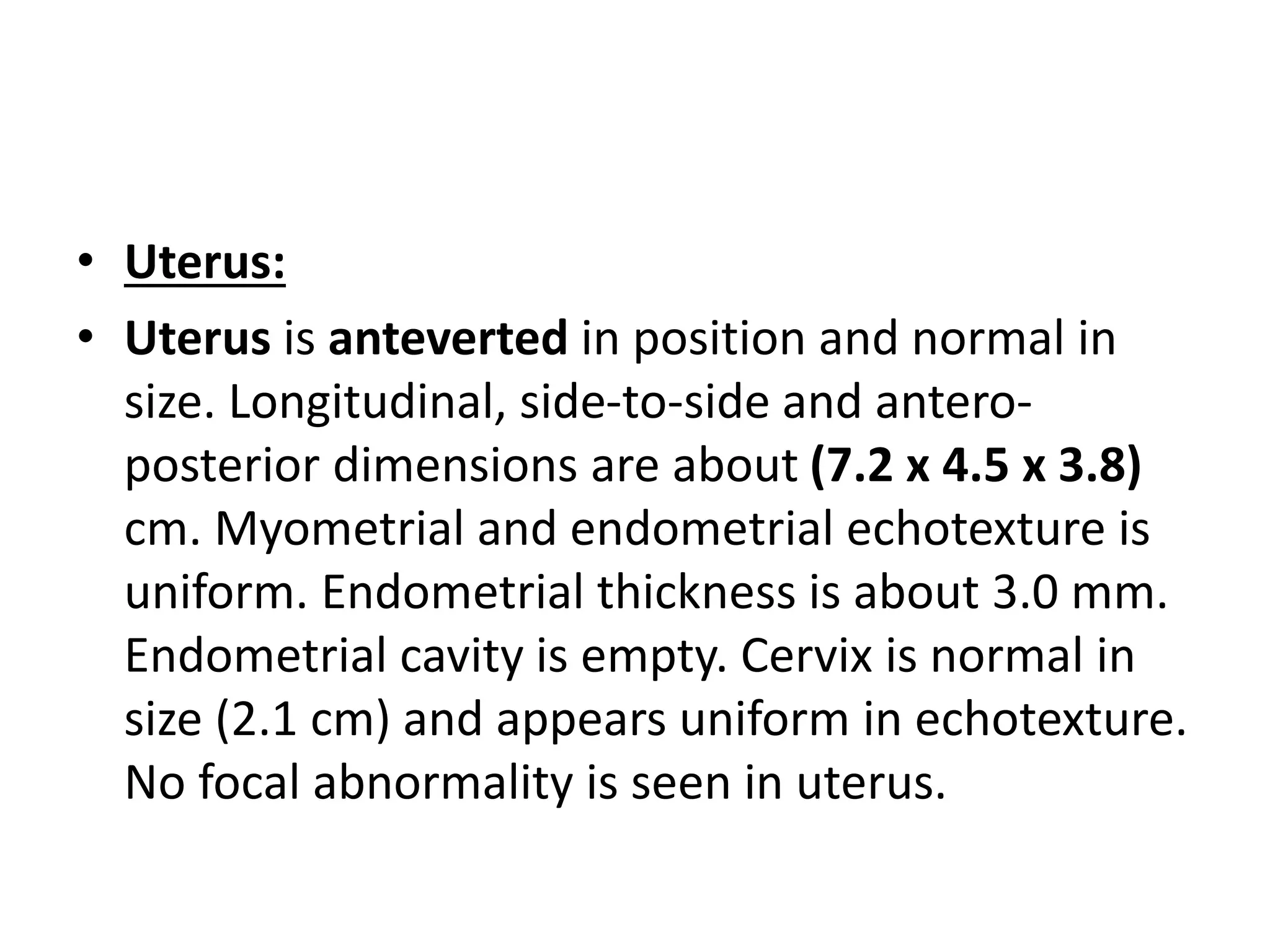
In particular scientific, medical, or comparative research, the plural kind turns into crucial to debate a number of uteri. This accuracy is essential for avoiding ambiguity and making certain correct understanding.
Are there any cultural or historic contexts that impression using the plural kind?
Whereas much less widespread in on a regular basis language, the plural kind “uteri” is utilized in some educational or scientific settings. Its use aligns with the necessity for precision in specialised discussions.
