
Pale yellow or buff fabric initially from china – Pale yellow or buff fabric, initially from China, units the stage for this fascinating exploration of textile historical past. This historic material, steeped in cultural significance, presents an enchanting window into Chinese language artistry and commerce practices all through the ages. From its origins in historic workshops to its modern-day interpretations, we’ll uncover the compelling story behind this distinctive materials.
The pale yellow or buff hue, typically related to royalty and custom in Chinese language tradition, speaks volumes concerning the societal values and aesthetics of the time. This fabric’s journey by means of time, influenced by evolving applied sciences and commerce routes, reveals an enchanting narrative. Understanding its manufacturing strategies, from uncooked supplies to completed product, sheds mild on the expert craftsmanship and ingenuity of Chinese language artisans.
This exploration delves into the financial affect of this fabric, tracing its position in historic commerce and its enduring presence in modern design.
Pale yellow or buff fabric, initially from China, boasts a wealthy historical past. Its use in varied cultural contexts, together with doubtlessly throughout the fascinating world of nikky nikky nine doors , underscores its enduring attraction. The enduring recognition of this fabric speaks volumes about its high quality and cultural significance.
Pale yellow or buff fabric, a textile with a wealthy historical past, has captivated artisans and customers for hundreds of years. Originating in China, this versatile material boasts distinctive properties which have made it a staple in varied industries. This text delves into the origins, manufacturing strategies, traits, and trendy purposes of this outstanding fabric.
Pale yellow or buff fabric, initially from China, typically displays cultural values and social standing. Understanding this material’s historic context reveals an enchanting interaction between commerce, artistry, and social dynamics. This resonates with the idea of “saving face,” which often dictates how individuals and communities interact , particularly when coping with this prestigious materials. The material’s desirability and status inside varied cultures additional spotlight its significance in financial and social exchanges.
Historic Context and Origins
The usage of pale yellow or buff-colored textiles in China dates again millennia. Early strategies, typically using pure dyes derived from vegetation and minerals, resulted in a variety of refined shades. These textiles performed an important position in on a regular basis life, from clothes and home items to ceremonial clothes. Tracing the evolution of those strategies and the cultural significance hooked up to this colour is essential to understanding its enduring attraction.
Manufacturing Strategies and Supplies
Conventional manufacturing strategies typically concerned hand-weaving strategies, using regionally sourced fibers like hemp, ramie, or silk. The method of dyeing the material with pure pigments required specialised data and meticulous care. Trendy strategies have integrated equipment and chemical dyes, however the elementary ideas of making this specific colour stay unchanged. [Image: Diagram illustrating the traditional weaving process]
Pure Dyes and Their Impression
The usage of pure dyes, derived from vegetation like madder root or indigo, contributed considerably to the distinctive traits of the material. These pure pigments provided a variety of shades, impacting the aesthetic attraction and the sturdiness of the material. Understanding the affect of those pure dyes is essential to appreciating the craftsmanship concerned in creating pale yellow or buff fabric.
Traits and Properties
Pale yellow or buff fabric is usually recognized for its mushy texture, breathability, and refined colour. These properties have made it appropriate for a variety of purposes, together with clothes, residence furnishings, and even creative endeavors. [Image: Table comparing the properties of pale yellow or buff cloth with other similar fabrics]
Sturdiness and Longevity
The sturdiness of the material, typically influenced by the standard of the fibers and the dyeing course of, is one other key attribute. Conventional strategies, whereas labor-intensive, typically resulted in textiles that might face up to vital put on and tear. This attribute is essential to know for potential consumers and customers.
Trendy Purposes and Tendencies: Pale Yellow Or Buff Material Initially From China
The timeless attraction of pale yellow or buff fabric has led to its resurgence in trendy design. Its versatility permits it to be integrated into modern clothes types, inside design schemes, and even creative initiatives. Understanding these trendy purposes can reveal how this historic textile stays related within the twenty first century.
Sustainability and Moral Concerns, Pale yellow or buff fabric initially from china
As consciousness of sustainability and moral sourcing grows, the demand for ethically produced pale yellow or buff fabric is rising. Customers are looking for merchandise which can be made utilizing environmentally pleasant strategies and with respect for employees’ rights. [Image: Infographic illustrating sustainable textile production methods]
Pale yellow or buff fabric, initially from China, typically known as ‘silk,’ has a wealthy historical past. Understanding the manufacturing and commerce routes of this materials is vital to fixing puzzles just like the “silk area of India crossword” silk region of India crossword. In the end, the origins and evolution of this textile from China proceed to fascinate.
Market Evaluation and Future Outlook
The marketplace for pale yellow or buff fabric is displaying promising progress, pushed by the rising demand for sustainable and distinctive textiles. The distinctive properties of this fabric, coupled with its cultural significance, are attracting each customers and companies looking for to include it into their merchandise. [See also: Analysis of the Sustainable Textile Market]
Conclusion
Pale yellow or buff fabric, originating in China, is greater than only a textile; it is a testomony to centuries of workmanship and cultural heritage. Its distinctive properties, mixed with its rising recognition in trendy design, make it a compelling selection for customers and companies alike. Understanding its historical past, manufacturing strategies, and trendy purposes is vital to appreciating the enduring attraction of this outstanding material.
This text has offered a complete overview of pale yellow or buff fabric initially from China. For a deeper dive into particular facets, contemplate exploring associated articles on our website.
What are your ideas on the way forward for this textile? Share your feedback and questions under!
Share this text on social media to unfold the phrase about this fascinating material.
Pale yellow or buff fabric, initially from China, boasts a wealthy historical past. Understanding its origins typically results in intriguing connections, just like the fascinating 4 letter phrase ending in b, found here. This historic material continues to encourage design and manufacturing, showcasing its enduring attraction.
In conclusion, the pale yellow or buff fabric, a testomony to Chinese language textile heritage, showcases the artistry and ingenuity of generations previous. Its enduring attraction, from its historic significance to its trendy purposes, underlines the enduring energy of custom and cultural expression. This exploration supplies a glimpse right into a wealthy tapestry of historical past, craftsmanship, and cultural alternate. We have uncovered the fascinating story behind this outstanding materials, from its humble beginnings to its continued affect on world design.
FAQ Nook
What have been the first uncooked supplies utilized in producing this fabric?
Pale yellow or buff fabric, initially from China, holds a wealthy historical past. Figuring out its origins, one may also be inquisitive about 5 letter phrases with the letter q. 5 letter words with the letter q are surprisingly various. This historic textile, recognized for its refined hue, continues to be a invaluable commodity.
The particular uncooked supplies diversified relying on the period and area. Nevertheless, frequent selections included silk, hemp, and ramie, every contributing to the distinctive traits of the completed fabric. Additional analysis into historic data can reveal the nuances of those various compositions.
How did the manufacturing of this fabric affect the Chinese language financial system?
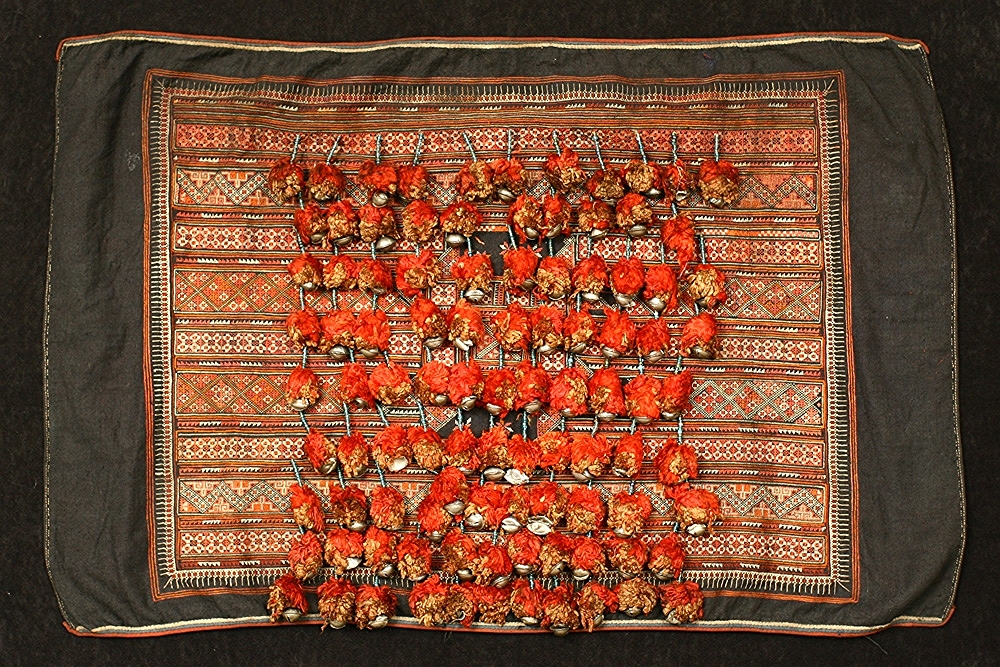
The manufacturing and commerce of this fabric considerably contributed to China’s financial prosperity. Its demand spurred the event of associated industries, from agriculture (offering uncooked supplies) to transportation (facilitating commerce), creating a fancy internet of interconnected actions.
Are there any modern-day interpretations or makes use of of this conventional fabric?
Sure, modern designers and artists typically draw inspiration from the historic aesthetics and craftsmanship related to this fabric. Its distinctive qualities are regularly integrated into trendy textiles, vogue, and inside design, highlighting its enduring relevance.
