
Distinction between a tablespoon and teaspoon: Navigating the world of culinary measurements can really feel like a posh equation, however understanding the elemental distinction between a tablespoon and a teaspoon is surprisingly easy. This concise information dives into the essential distinctions, revealing the delicate however important variations that influence your cooking outcomes.
Understanding the distinction between a tablespoon and a teaspoon is essential for correct measurements, particularly in cooking. Figuring out the exact quantity distinction empowers you to create scrumptious dishes. This data is akin to realizing the particular animal that begins with ‘N’, which incorporates many desirable creatures. For instance, the distinction between a tablespoon and a teaspoon is roughly equal to a few instances the amount of a teaspoon.
Discovering animals that begin with the letter ‘N’ can be an effective way to develop your data and join with the pure world. animal for n letter In the end, mastering these elementary models of measurement is essential to culinary success.
A tablespoon, usually denoted as tbsp or T, holds a quantity considerably larger than a teaspoon (tsp or t). This distinction instantly impacts ingredient proportions, impacting every part from the style to the feel of your ultimate dish. Understanding these models permits for exact management, avoiding over- or under-seasoning and making certain constantly scrumptious outcomes. This information breaks down the important thing variations, offering clear examples and sensible purposes.
Within the kitchen, understanding the distinction between a tablespoon and a teaspoon is essential for correct measurements. Whether or not you are baking a cake, cooking a stir-fry, or following a recipe, utilizing the correct measuring device ensures the specified final result. This text dives deep into the specifics, serving to you navigate the world of culinary measurements with confidence.
Defining the Models
Each tablespoons and teaspoons are models of quantity utilized in cooking and different purposes. They’re standardized models, which means a tablespoon in a single nation will maintain the identical quantity as a tablespoon in one other. This standardization is important for constant leads to recipes and scientific experiments.
The Teaspoon: A Small however Mighty Measurement
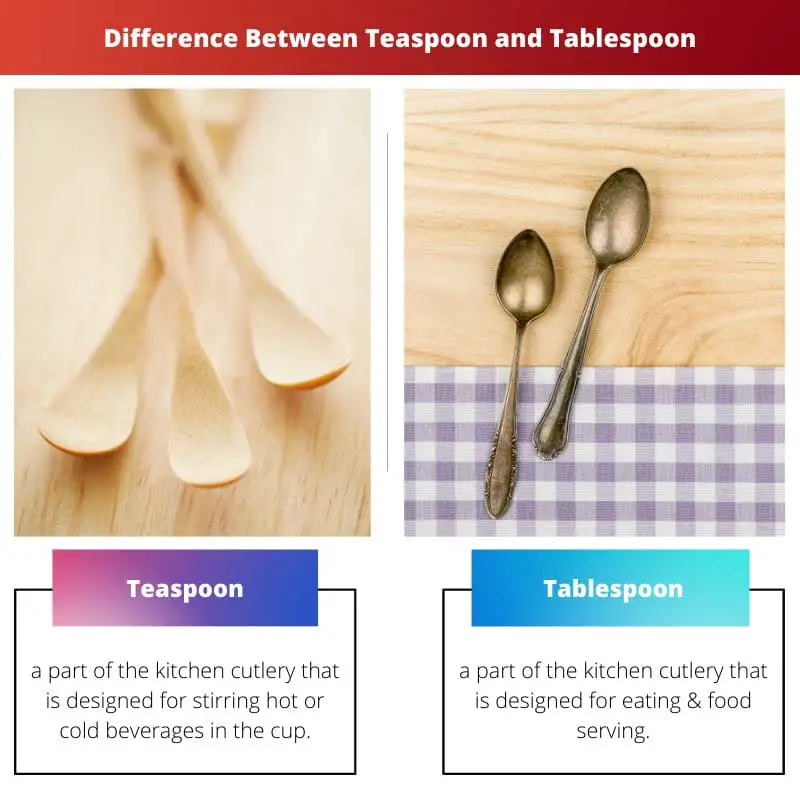
A teaspoon is a smaller unit of quantity, usually used for smaller portions of substances. It is generally employed for spices, flavorings, and liquid condiments. Its exact quantity varies barely relying on the particular area, however the common normal is well-defined.
The Tablespoon: A Bigger Serving for Bigger Components
A tablespoon, alternatively, is a bigger unit, ideally suited for bigger portions of substances. That is helpful for fat, oils, and different substances requiring a larger quantity to attain the specified consistency or taste. Once more, the precise quantity is standardized, permitting for consistency throughout varied purposes.
Sensible Purposes: Cooking and Past
Past the kitchen, understanding these measurements is helpful in varied different contexts. For instance, in drugs, correct measurements of liquids are essential for dosage accuracy. In scientific experiments, exact measurements of substances are elementary for acquiring dependable outcomes.
Measuring Liquids
When measuring liquids, it is essential to make use of the suitable measuring device. A teaspoon is good for small portions of liquid substances, whereas a tablespoon is extra appropriate for bigger volumes. Utilizing the right device helps to make sure correct leads to your recipes.
Understanding the distinction between a tablespoon and a teaspoon is essential for correct measurements, particularly in cooking. Nevertheless, generally, even probably the most exact measurements cannot prevent from the crushing disappointment of “u misplaced the sport,” u lost the game. Figuring out the distinction between these two models is prime for getting the specified outcomes, whatever the final result of any sport.
So, keep in mind to at all times double-check your measurements.
Measuring Dry Components
For dry substances, the measurement can differ barely relying on how the ingredient is packed. Nevertheless, utilizing the suitable measuring instruments helps be certain that you employ the correct amount of the substances.
Historic Context and Evolution
The standardization of those models has developed over time, reflecting developments in measurement know-how and societal wants. Traditionally, the standardization of those models helped guarantee constant outcomes throughout varied contexts.
Early Measurement Methods
Early measurement methods usually relied on much less exact strategies. The standardization of tablespoons and teaspoons marked a big shift in direction of larger accuracy and consistency in measurements. This allowed for higher replication of leads to varied fields.
Understanding the distinction between a tablespoon and a teaspoon is essential for correct measurements in cooking. Nevertheless, generally, the idea of “breaking the ice” – a phrase usually utilized in social settings – may also be surprisingly tough to understand. What does break the ice mean ? In the end, each these ideas, regardless of their obvious variations, spotlight the significance of exact communication and understanding in numerous contexts, similar to the cautious distinction between a tablespoon and a teaspoon.
Fashionable Standardization, Distinction between a tablespoon and teaspoon
At the moment, these measurements are exactly outlined and constantly utilized worldwide, enabling correct replication and reliability throughout numerous contexts. This standardization is essential for consistency and accuracy.
Frequent Errors and Find out how to Keep away from Them: Distinction Between A Tablespoon And Teaspoon
Regardless of the standardization, frequent errors persist when utilizing these models. One of the crucial frequent errors is utilizing the improper measuring device. One other just isn’t understanding how the packing of dry substances can have an effect on the measurement. Understanding these potential points might help you keep away from inaccuracies.
Avoiding Measurement Errors
To keep away from errors, at all times use the right measuring device for the suitable kind of ingredient. Make sure you perceive how packing density can have an effect on dry ingredient measurements. All the time double-check your measurements to make sure accuracy.
Suggestions for Correct Measurement
For correct measurements, at all times use a leveled measuring spoon. Be certain that the ingredient is neither packed too tightly nor too loosely. For dry substances, use a measuring cup or scoop and degree off the surplus. For liquids, make sure the measuring cup is positioned on a flat floor.
Visible Aids and Tables
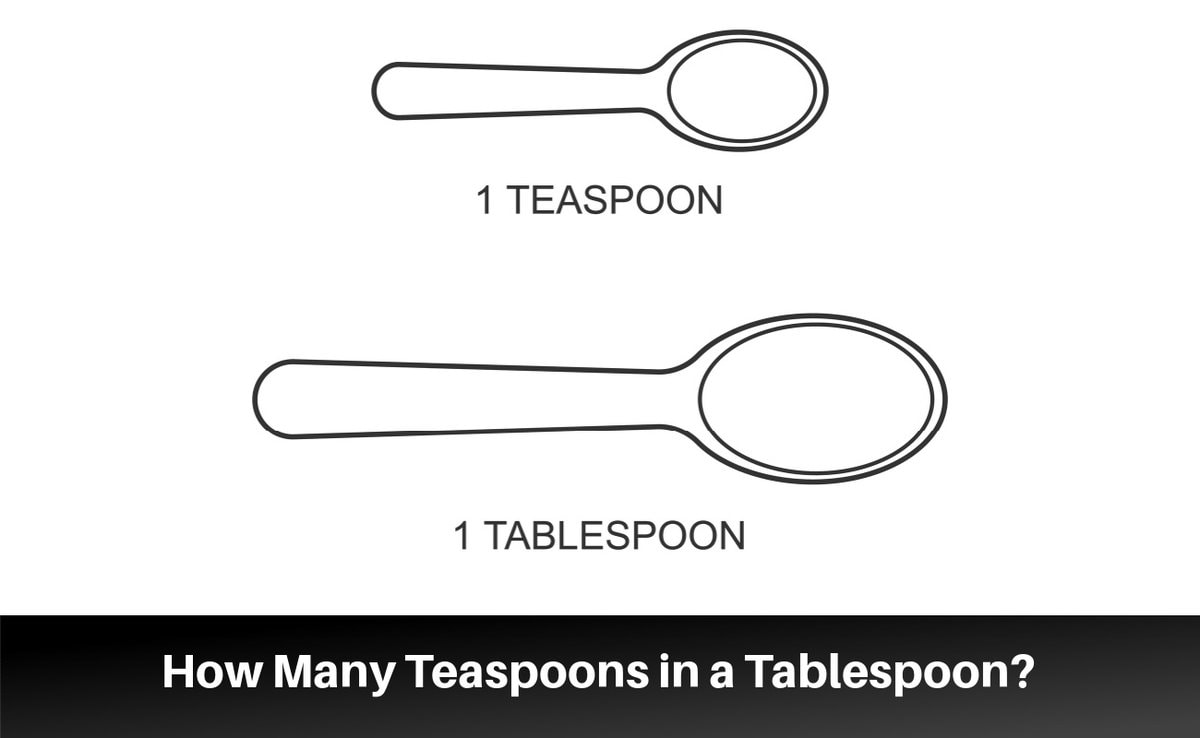
[Image: Table comparing tablespoon and teaspoon sizes side-by-side][Image: Illustration of a tablespoon and teaspoon with volume measurements]
Understanding the delicate distinction between a tablespoon and a teaspoon is essential for correct measurements, particularly in cooking. This seemingly easy distinction usually impacts the ultimate final result, very like the nuanced which means of a seven letter phrase starting with ‘s’ ( seven letter word beginning with s ) can dramatically shift the context of a dialog. In the end, realizing the exact quantity of every measurement ensures constant leads to your culinary endeavors.
Conclusion
Understanding the distinction between a tablespoon and a teaspoon is important for achievement within the kitchen and past. These standardized models enable for consistency and accuracy in varied purposes. By understanding the rules and practising correct measurements, you’ll be able to obtain desired outcomes and elevate your culinary and scientific endeavors.
Able to refine your culinary expertise? [See also: Mastering Kitchen Measurement Techniques]
Understanding the distinction between a tablespoon and a teaspoon is essential for correct measurements, particularly in cooking. Whereas seemingly trivial, this information turns into much more important when you think about the cultural context of phrases like “drop it prefer it’s sizzling,” a phrase that carries a sure vitality and urgency. What does drop it like it’s hot mean in the end highlights the necessity for precision, simply as a tablespoon is considerably bigger than a teaspoon.
Figuring out these variations, you are higher geared up to grasp culinary arts and grasp cultural nuances.
Bought questions or insights? Share your ideas within the feedback under!
Share this text with fellow cooks and meals lovers!
In conclusion, mastering the distinction between a tablespoon and a teaspoon is a elementary ability for any aspiring prepare dinner or baker. By understanding these models, you achieve management over ingredient precision, resulting in extra constant and scrumptious outcomes. The data shared on this information is not going to solely enhance your culinary endeavors but additionally improve your total understanding of kitchen measurements.
This easy data can remodel your culinary journey.
Useful Solutions
What number of teaspoons are in a tablespoon?
There are three teaspoons in a single tablespoon.
What’s the typical quantity of a tablespoon?
A tablespoon usually holds roughly 15 milliliters (ml) or 3 teaspoons.
What’s the typical quantity of a teaspoon?
A teaspoon usually holds roughly 5 milliliters (ml).
When is it essential to make use of the right measuring instruments?
Utilizing the right measuring instruments is essential in baking and cooking recipes to make sure exact outcomes, constant style, and correct texture. Recipes are meticulously crafted, and the right amount of substances, whether or not in teaspoons or tablespoons, is important for desired outcomes.
Are there any situations the place the distinction just isn’t so essential?
Whereas exact measurements are important for a lot of recipes, some recipes could enable for slight variations in tablespoon or teaspoon quantities with out considerably altering the ultimate outcome. Nevertheless, for complicated recipes, exact measurements stay essential for reaching the specified final result.
