
Chinese language means” crossword clue – Unveiling the “Chinese language Means” crossword clue, this exploration delves into the multifaceted idea of Chinese language cultural values and practices. From historic roots to fashionable functions, we dissect the core ideas that form this distinctive perspective on life, enterprise, and artwork. Understanding this intricate tapestry of custom and innovation is vital to appreciating the delicate nuances of Chinese language thought and habits.
This in-depth evaluation of the “Chinese language Means” goes past surface-level descriptions, providing a nuanced understanding of its numerous interpretations and functions. We’ll study how Confucianism, historic context, and philosophical underpinnings have formed the “Chinese language Means,” and distinction it with Western approaches to problem-solving, enterprise practices, and creative expression. The final word purpose is to unlock a deeper comprehension of the ‘Chinese language Means’ past only a crossword clue.
Exploring Cultural Ideas

Understanding the “Chinese language means” requires delving into the wealthy tapestry of Chinese language tradition, encompassing its historic evolution, philosophical underpinnings, and core values. This exploration reveals a singular lifestyle that contrasts and enhances different cultural views. This examination will illuminate the multifaceted nature of the Chinese language means, demonstrating the way it shapes particular person and societal behaviors throughout numerous points of life.The idea of “the Chinese language means” encompasses a broad spectrum of traditions, philosophies, and social norms deeply rooted in centuries of historical past.
It isn’t a monolithic entity however fairly a fancy system of interconnected beliefs and practices which have advanced over time. Understanding these historic and philosophical foundations is essential to appreciating the nuances of the Chinese language method to problem-solving and decision-making.
Defining the Chinese language Means
The “Chinese language means” encompasses a large number of cultural expressions, reflecting a wealthy historical past of philosophical and societal influences. It isn’t a singular, simply definable idea, however fairly a synthesis of Confucianism, Taoism, and different faculties of thought which have formed Chinese language values and behaviors for millennia. Key components embody a robust emphasis on concord, respect for authority, and the significance of social hierarchy.
These ideas are sometimes expressed via actions and behaviors fairly than explicitly said guidelines.
Historic and Philosophical Underpinnings
Chinese language tradition is profoundly formed by centuries of philosophical traditions, most notably Confucianism, Taoism, and Buddhism. Confucianism emphasizes social concord, filial piety, and respect for elders. Taoism promotes dwelling in accordance with the pure order, emphasizing stability and concord with the surroundings. These ideas have profoundly influenced Chinese language societal buildings, moral frameworks, and private values. For instance, the idea of “face” (mianzi) highlights the significance of social standing and sustaining concord inside relationships.
Key Traits and Values, Chinese language means” crossword clue
A number of key traits and values outline the Chinese language means. These embody:
- Emphasis on Concord: Sustaining social concord and avoiding battle are paramount. This usually results in oblique communication kinds and a choice for consensus-building.
- Respect for Authority: Hierarchical buildings are deeply ingrained in Chinese language society. Respect for elders, superiors, and custom is extremely valued.
- Significance of Relationships: Robust interpersonal relationships are elementary to social success. Constructing and sustaining connections is a cornerstone of the Chinese language means.
- Give attention to Lengthy-Time period Targets: Persistence and perseverance are extremely valued. Brief-term features are sometimes sacrificed for long-term prosperity and success.
Evaluating with Different Cultural Views
Evaluating the Chinese language means with different cultural views reveals vital variations and delicate similarities. For example, Western cultures usually prioritize individualism and direct communication, contrasting with the Chinese language emphasis on collectivism and indirectness. Understanding these variations is important for fostering efficient cross-cultural communication and collaboration.
Contrasting Approaches to Drawback-Fixing
| Attribute | Chinese language Means | Western Strategy |
|---|---|---|
| Drawback-Fixing Type | Oblique communication, in search of consensus, and prioritizing concord. | Direct communication, figuring out options, and specializing in outcomes. |
| Determination-Making Course of | Collaborative, involving a number of stakeholders and contemplating long-term penalties. | Individualistic, usually counting on skilled opinion and evaluation. |
| Battle Decision | Avoidance of confrontation, emphasizing compromise and mediation. | Direct confrontation, in search of a transparent winner, and prioritizing particular person rights. |
| Relationship Significance | Relationship-focused, contemplating the influence on interpersonal connections. | Job-focused, emphasizing effectivity and productiveness. |
Examples of the “Chinese language Means” in Motion: Chinese language Means” Crossword Clue
The “Chinese language Means,” a fancy tapestry woven from centuries of philosophy, historical past, and cultural evolution, manifests in quite a few points of Chinese language life. Understanding this multifaceted method requires analyzing its expression in day by day interactions, enterprise dealings, and creative endeavors. This exploration reveals the profound affect of Confucianism and different guiding ideas on shaping the cultural identification and practices of China.This multifaceted idea, usually described as a set of interconnected values and ideas, has a major influence on how people work together with each other and navigate numerous points of life.
Its sensible utility is seen in each private relationships and formal establishments.
On a regular basis Life Manifestations
The “Chinese language Means” profoundly shapes on a regular basis interactions, emphasizing concord, respect for elders, and communal values. Respect for authority figures and social hierarchy are deeply ingrained. The idea of “face” (mianzi) underscores the significance of sustaining social concord and avoiding public embarrassment. This usually interprets right into a choice for oblique communication and avoiding direct confrontation. Sustaining relationships, sometimes called guanxi, is essential, and fostering belief and reciprocity are important components.
A robust emphasis on household ties and collective well-being permeates social buildings, resulting in close-knit household models and a excessive diploma of interdependence.
Enterprise Practices
The Chinese language Means, whereas usually perceived as oblique, is equally characterised by robust negotiation and long-term relationship constructing. Enterprise transactions are sometimes constructed upon private connections and belief, emphasizing long-term relationships over short-term features. That is mirrored within the idea of guanxi, which performs an important position in securing offers and navigating complicated enterprise environments. Persistence, persistence, and a willingness to compromise are sometimes valued over aggressive techniques.
Understanding the significance of sustaining concord and avoiding public battle is essential in enterprise dealings.
Creative Expression
Chinese language artwork, throughout numerous mediums, often embodies the ideas of the “Chinese language Means.” The emphasis on stability, concord, and the interconnectedness of all issues is clear in portray, calligraphy, poetry, and different types of creative expression. Conventional Chinese language panorama portray, for instance, usually depicts the interconnectedness of nature and humanity, reflecting a profound respect for the surroundings and a philosophical understanding of the universe’s concord.
This creative expression usually mirrors the idea of yin and yang, emphasizing the stability between opposing forces.
Utility Throughout Domains
| Area | Utility of the “Chinese language Means” |
|---|---|
| Household | Emphasis on filial piety, respect for elders, and collective well-being. Robust household ties and interdependence are extremely valued. |
| Politics | Give attention to sustaining social stability and concord. Hierarchical buildings and respect for authority are frequent. |
| Commerce | Emphasis on long-term relationships, belief, and reciprocity. Negotiation and compromise are sometimes prioritized over aggressive techniques. |
Confucianism’s Position
Confucianism, a major philosophical and moral system, has performed a vital position in shaping the “Chinese language Means.” Its emphasis on social concord, respect for authority, and filial piety deeply influences societal norms and expectations. Confucian beliefs, together with ren (benevolence), yi (righteousness), and li (ritual propriety), have been foundational in shaping moral habits and social interactions. The emphasis on schooling and private growth inside Confucianism can be mirrored in Chinese language society’s robust emphasis on studying and self-improvement.
Interpretations and Views on the “Chinese language Means”
The idea of “the Chinese language means” encompasses a broad vary of cultural, philosophical, and political ideas which have formed Chinese language society for hundreds of years. Understanding its multifaceted nature requires analyzing numerous interpretations from numerous views, together with Western and Chinese language students. This exploration will dissect the frequent threads and contrasting viewpoints, offering a complete evaluation of how the “Chinese language means” is perceived in worldwide relations.Totally different interpretations of the “Chinese language means” usually come up from the distinctive historic, social, and financial contexts through which it’s noticed.
These interpretations may be influenced by cultural biases, tutorial frameworks, and political agendas. Consequently, a nuanced understanding requires contemplating the various views and acknowledging the potential for subjective interpretations.
Various Interpretations Throughout Contexts
Understanding the “Chinese language means” requires recognizing its multifaceted nature, encompassing historic, social, and financial dimensions. The idea encompasses numerous interpretations throughout totally different contexts, reflecting the complexity of Chinese language society and its interplay with the world. This consists of variations in understanding Confucianism, Taoism, and different philosophies. Totally different interpretations emerge when contemplating financial fashions, political techniques, and social norms.
Frequent Threads and Differing Viewpoints
Regardless of the various interpretations, some frequent threads exist. A robust emphasis on collective concord, respect for authority, and a hierarchical social construction usually function prominently. Nevertheless, differing viewpoints emerge concerning the extent to which these ideas are nonetheless related or how they’re utilized in fashionable society. The emphasis on collectivism versus individualism, and the interaction between custom and modernity, create areas of divergence.
Western and Chinese language Scholarly Views
Western students usually analyze the “Chinese language means” via a lens of contrasting Western ideas. This will result in interpretations that spotlight variations fairly than similarities. Conversely, Chinese language students might emphasize the historic continuity of Chinese language values and practices, doubtlessly downplaying exterior influences. This comparability supplies a framework for understanding the nuanced interpretations of the “Chinese language means” by totally different tutorial communities.
Desk Contrasting Views
| Perspective | Key Traits | Instance |
|---|---|---|
| Western Students | Emphasis on variations with Western fashions; concentrate on historic context; potential for cultural bias. | Analyzing the “Chinese language means” via the framework of individualism vs. collectivism, usually highlighting potential conflicts between these values. |
| Chinese language Students | Emphasis on historic continuity of values; concentrate on inside dynamics; potential for nationalist biases. | Deciphering the “Chinese language means” via the lens of Confucianism and its enduring affect on social buildings and moral ideas. |
Notion in Worldwide Relations
The “Chinese language means” in worldwide relations is commonly characterised by a concentrate on mutual respect, non-interference, and a choice for bilateralism. Nevertheless, interpretations differ considerably relying on the particular context, significantly with reference to financial insurance policies, geopolitical methods, and human rights points. Some understand China’s method as assertive and doubtlessly destabilizing, whereas others view it as a constructive drive for multilateral cooperation.
Last Ideas
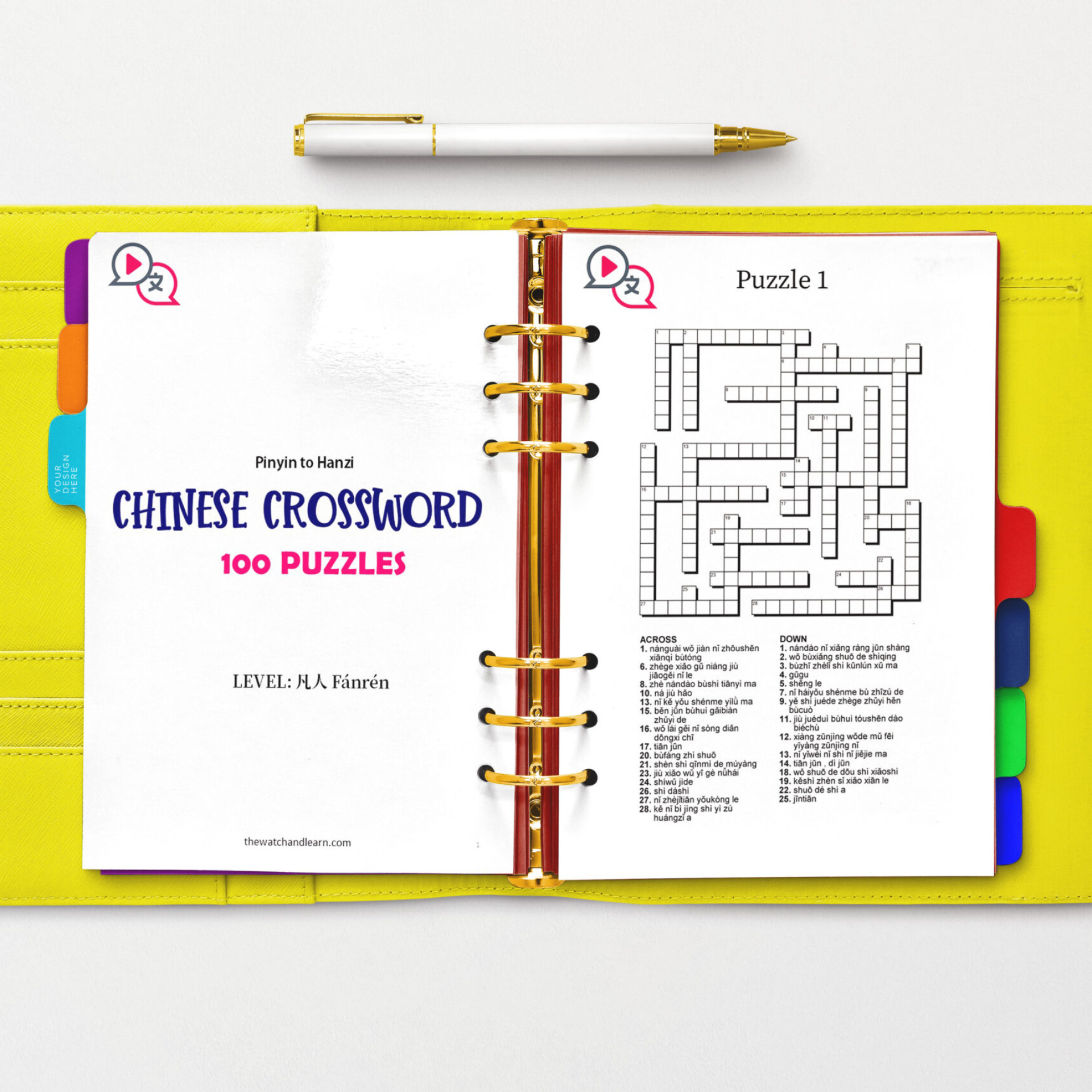
In conclusion, the “Chinese language Means” crossword clue leads us on a journey via a wealthy tapestry of cultural values and practices. From historical philosophies to modern functions, we have explored the profound affect of the Chinese language mind-set. This exploration underscores the significance of cultural understanding in navigating a globalized world. Finally, appreciating the nuances of various cultural approaches enriches our collective understanding of human habits and societal buildings.
Fast FAQs
What are some key traits of the “Chinese language Means”?
Key traits usually embody collectivism, concord, respect for elders, and a concentrate on long-term relationships. These values are deeply rooted in Confucian philosophy and affect decision-making in numerous points of life.
How does the “Chinese language Means” differ from Western approaches to problem-solving?
Western approaches usually prioritize individualistic options and direct confrontation, whereas the “Chinese language Means” might favor oblique communication, consensus-building, and a concentrate on sustaining concord inside relationships. A desk evaluating these variations is included in the primary textual content.
What’s the position of Confucianism in shaping the “Chinese language Means”?
Confucianism performs a major position in shaping the “Chinese language Means” by emphasizing social concord, respect for authority, and the significance of household. Its ideas profoundly affect moral issues and decision-making processes.
How is the “Chinese language Means” perceived in worldwide relations?
The “Chinese language Means” in worldwide relations is commonly characterised by a concentrate on mutual respect, understanding, and establishing long-term partnerships. Nevertheless, interpretations differ primarily based on the particular context and views concerned.
