
Is air a heterogeneous combination? The reply may shock you. Whereas air seems uniform, its composition reveals an enchanting story of distinct gases, every with distinctive properties and densities. This exploration dives into the science behind air, inspecting its elements and behaviors to find out if it really suits the definition of a heterogeneous combination.
Air, seemingly easy, is a posh mix of varied gases. Understanding its make-up and the way these elements work together is essential to comprehending its conduct and properties. This evaluation delves into the composition of air, evaluating it to the traits of homogeneous mixtures, and uncovering the proof that factors in the direction of a heterogeneous nature.
Defining Heterogeneous Mixtures: Is Air A Heterogeneous Combination
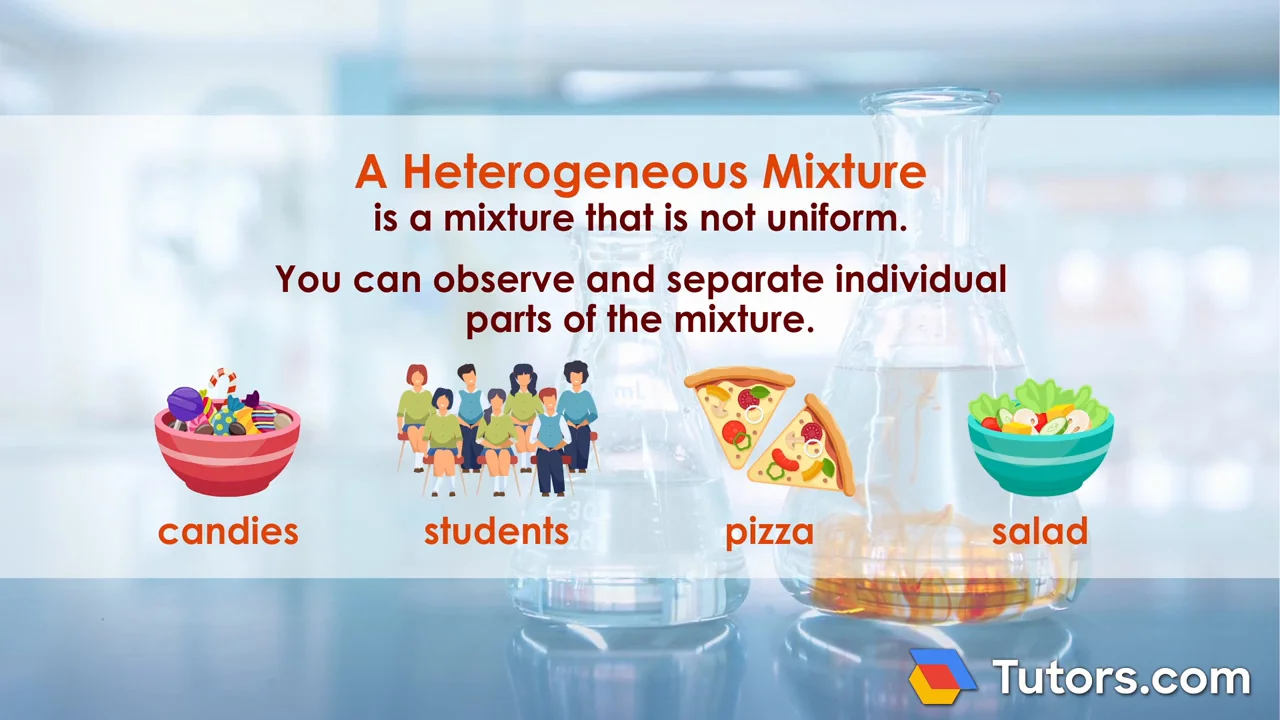
A heterogeneous combination is a mix of gear the place the elements keep their distinct identities and should not uniformly distributed all through the combination. Understanding this idea is essential in varied scientific and on a regular basis purposes, from analyzing soil samples to predicting the end result of blending completely different liquids. The important thing attribute that units heterogeneous mixtures aside is the seen distinction of their elements.Heterogeneous mixtures are characterised by the uneven distribution of their elements.
This non-uniformity arises from the lack of the elements to dissolve or combine fully. The presence of distinct phases, corresponding to solids suspended in liquids or immiscible liquids floating on high of one another, is a trademark of the sort of combination. This contrasts with homogeneous mixtures, the place elements are uniformly distributed and indistinguishable on the macroscopic degree.
Traits of Heterogeneous Mixtures
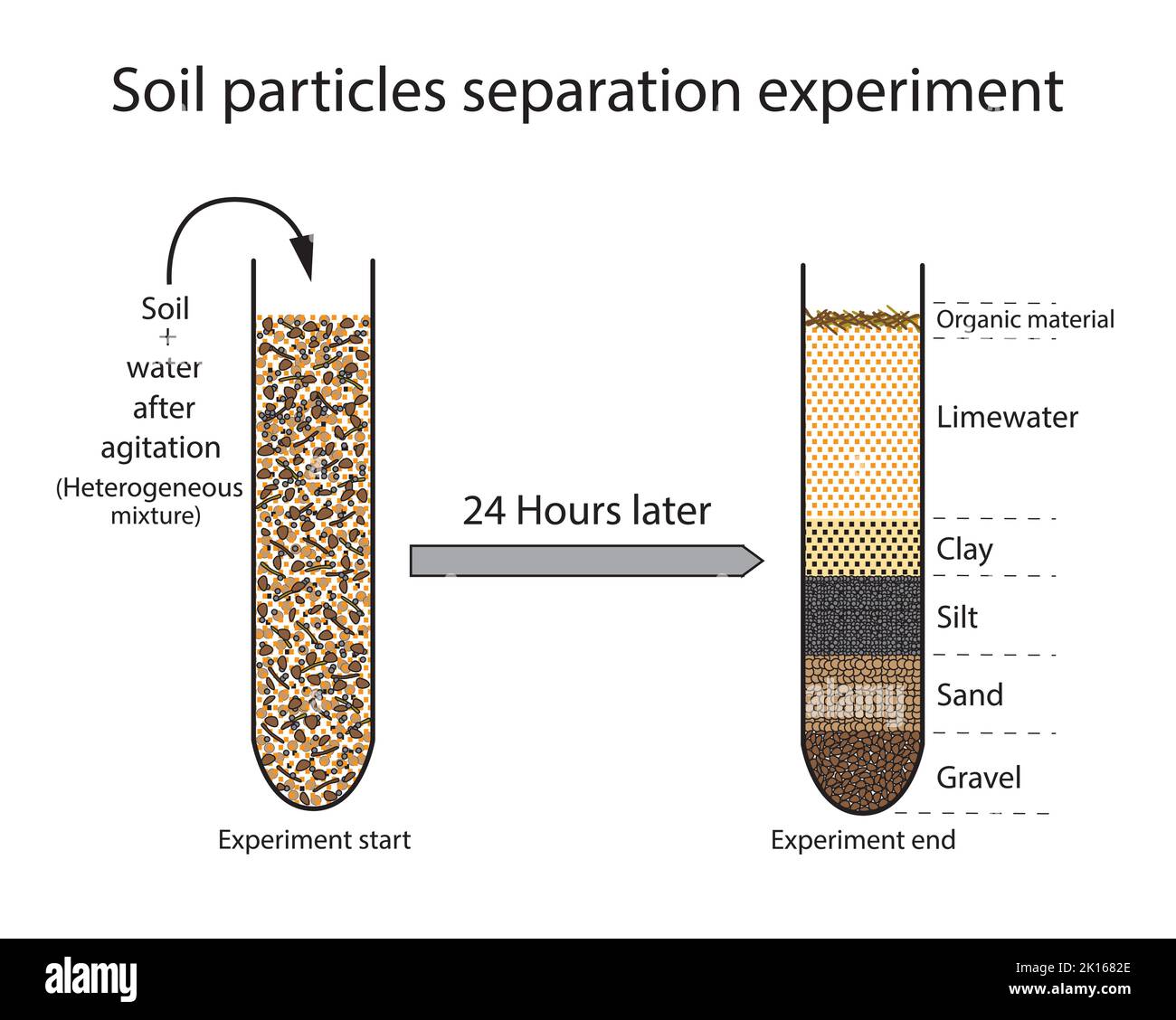
Heterogeneous mixtures exhibit a wide range of traits that distinguish them from different forms of mixtures. The important thing distinction lies within the non-uniform distribution of the elements. This non-uniformity can manifest in a number of methods, together with seen variations within the combination’s look, various concentrations of elements in numerous areas, and the presence of separate phases. The shortage of uniform distribution leads to a visual layering or separation of the elements.
Air, a seemingly easy substance, is definitely a posh combination. Figuring out if it is a heterogeneous combination typically requires a deeper understanding of its elements, very like attempting to grasp the futility of talking to a wall. Finally, the reply as to whether air is a heterogeneous combination hinges on the particular context and definition of “heterogeneous” when contemplating its various composition.
Comparability of Heterogeneous and Homogeneous Mixtures
| Characteristic | Heterogeneous Combination | Homogeneous Combination |
|---|---|---|
| Distribution of elements | Uneven/Non-uniform | Even/Uniform |
| Look | Seen completely different phases | Seems uniform |
| Examples | Sand in water, oil and vinegar, granite | Saltwater, air, sugar dissolved in water |
Examples of Heterogeneous Mixtures
Understanding the various methods elements could be non-uniformly distributed is essential to greedy the idea of heterogeneous mixtures. Listed below are some examples illustrating varied features of non-uniformity:
- Sand in water: Sand particles stay separate and suspended within the water, exhibiting a transparent distinction between the stable sand and the liquid water. This instance showcases a solid-liquid heterogeneous combination.
- Oil and vinegar: Oil and vinegar, being immiscible liquids, separate into distinct layers. The oil floats on high of the vinegar as a consequence of variations of their densities, making a visually distinct heterogeneous combination.
- Granite: This rock is a composite materials made of various minerals (quartz, feldspar, mica). The person minerals are seen and type distinct grains, showcasing a solid-solid heterogeneous combination.
- Salad: A salad contains varied substances like lettuce, tomatoes, cucumbers, and dressing. The substances are visibly separate, illustrating a heterogeneous combination of solids and liquids.
- Soil: Soil is a posh combination of mineral particles, natural matter, air, and water. The various elements should not uniformly distributed, forming a heterogeneous combination.
Air as a Combination
Air, the life-sustaining blanket round us, is a posh combination of gases. Understanding its composition is essential for comprehending its impression on climate patterns, human well being, and even local weather change. This combination is not only a random assortment of gases; every element performs a selected function and contributes to the general properties of the environment.The composition of air is not uniform; as an alternative, it is a dynamic mix of various gases, every with its personal traits.
The relative abundance of those gases dictates the air’s conduct and properties. Comprehending these proportions gives insights into how air capabilities and influences varied processes.
Composition of Air, Is air a heterogeneous combination
Air is primarily composed of nitrogen, oxygen, and a smaller proportion of different gases. These gases should not evenly distributed all through the environment; fairly, their distribution varies relying on altitude and different atmospheric situations. This variation impacts the density and strain of the air.
Whereas air might sound easy, it is a complicated combination. Understanding if air is a heterogeneous combination hinges on recognizing its numerous elements, like oxygen and nitrogen. Simply as all people’s heard in regards to the hen track, everybody’s heard about the bird song illustrates the intricate nature of seemingly easy phenomena. Finally, the reply as to whether air is a heterogeneous combination depends upon the definition and the particular context.
Particular person Elements and Their Properties
Nitrogen, comprising roughly 78% of the environment, is an inert gasoline, which means it would not readily react with different substances. Its abundance within the air is essential for supporting life and varied industrial processes. Oxygen, accounting for roughly 21%, is crucial for respiration in most dwelling organisms. Its chemical reactivity is prime to many organic and chemical processes.
Argon, a noble gasoline, makes up roughly 1% of the air. It is also an inert gasoline and performs a task in varied purposes, together with lighting. Different gases, together with carbon dioxide, neon, helium, and methane, exist in hint quantities however nonetheless contribute to the general composition of the environment.
Air, a seemingly easy substance, is definitely a posh combination. Figuring out if it is a heterogeneous combination hinges on understanding its elements. Finally, air is a homogeneous combination, as the assorted gases are uniformly distributed, in contrast to, say, a salad. For these in search of a solution to categorical properly needs, exploring phrases like “go together with God” in numerous languages, corresponding to go with god in spanish language , could be enlightening.
Understanding the nuances of language, in flip, deepens our appreciation of the world round us and, importantly, helps us talk with others successfully, very like appreciating the delicate variations in air’s composition.
Relative Proportions of Main Elements
The most important elements of air, nitrogen, oxygen, and argon, collectively account for the overwhelming majority of the environment’s quantity. The chances of those gases are comparatively fixed, though variations exist relying on location and altitude.
Whereas air seems homogenous, it is truly a posh combination of gases. Understanding the various proportions of nitrogen, oxygen, and different elements is essential to greedy why air is a heterogeneous combination. This idea is essential for understanding atmospheric science and the ‘solution to go’ in sure situations. Way to go means various things in numerous contexts, however the fundamental idea stays constant.
Finally, classifying air as a heterogeneous combination hinges on recognizing its element variability.
Gases in Air and Their Percentages
| Fuel | Approximate Proportion (%) |
|---|---|
| Nitrogen | ~78 |
| Oxygen | ~21 |
| Argon | ~1 |
| Others | ~0.9 |
Non-Uniform Mixing of Elements
The elements of air should not uniformly combined all through the environment. Components like temperature gradients, altitude, and climate patterns affect the distribution of gases. This non-uniform mixing impacts climate patterns and atmospheric phenomena. For example, air density adjustments with altitude, resulting in variations in strain and temperature.
Proof for Air as a Heterogeneous Combination
Air, seemingly uniform, is a posh mix of gases. Whereas we understand it as a single entity, cautious commentary reveals key traits that defy the notion of a homogeneous combination. This part delves into the compelling proof supporting air’s heterogeneous nature, highlighting its non-uniform composition and the separation strategies that reveal its layered construction.Understanding air’s composition and conduct is essential for varied purposes, from climate forecasting to industrial processes.
Its heterogeneous nature, although typically missed, performs a essential function in lots of phenomena.
Diverse Fuel Densities in Air
Air’s composition is not evenly distributed. Totally different gases possess various densities, resulting in stratification. Denser gases, like oxygen and carbon dioxide, have a tendency to pay attention nearer to the Earth’s floor, whereas much less dense gases, like hydrogen, are likely to rise. This differential density is quickly observable in on a regular basis phenomena just like the settling of pollution close to the bottom or the ascent of scorching air balloons.
Whereas air seems homogenous, its molecular composition reveals it is a heterogeneous combination. Totally different gases, like oxygen and nitrogen, are current in various proportions, and understanding that is key for fixing puzzles just like the “tiny songbird crossword clue” tiny songbird crossword clue. This mixture of gases is essential to the air’s properties and, finally, our very existence.
Due to this fact, air’s heterogeneity is a essential facet of its nature.
Observations Supporting Heterogeneity
Quite a few observations strongly counsel that air is not a homogeneous combination. The uneven distribution of gases is one key indicator. For instance, the focus of pollution like nitrogen oxides and sulfur dioxide is commonly considerably greater close to industrial zones. This non-uniform distribution is a key attribute of a heterogeneous combination, in distinction to a homogeneous one the place elements are uniformly dispersed.
Separation Strategies for Air Elements
Numerous strategies can separate the elements of air. These strategies exploit the distinct bodily properties of the constituent gases.
- Fractional Distillation: This system leverages the completely different boiling factors of the gases. The method includes cooling and compressing air to liquefy it. Subsequently, managed evaporation and condensation permit for the separation of the elements based mostly on their respective boiling factors. The separation of liquid air into its constituent gases, like nitrogen and oxygen, is a first-rate instance of fractional distillation.
This course of is essential for acquiring high-purity nitrogen and oxygen.
- Diffusion: The motion of gases from areas of excessive focus to low focus is called diffusion. This course of is answerable for the spreading of odors or the dispersion of pollution within the environment. The phenomenon demonstrates that air’s elements aren’t statically positioned however fairly always interacting and rearranging.
Contrasting with Homogeneous Mixtures
The proof offered strongly contrasts with the traits of a homogeneous combination. In a homogeneous combination, elements are uniformly dispersed, and no discernible layering or separation strategies are usually obligatory. Air’s variable gasoline concentrations and the efficacy of separation strategies like fractional distillation are stark examples of its heterogeneous nature.
| Methodology | Description | Instance |
|---|---|---|
| Fractional Distillation | Separation based mostly on boiling factors | Separating liquid air into nitrogen, oxygen, and different gases |
| Diffusion | Motion of gases from excessive to low focus | The unfold of fragrance in a room |
Epilogue
In conclusion, whereas air may seem homogenous, a better look reveals its heterogeneous nature. The various densities, behaviors, and measurable variations in gasoline concentrations definitively classify air as a combination with non-uniform distribution of its elements. This understanding challenges our preliminary notion of air and underscores the significance of dissecting seemingly easy substances to understand their intricate compositions.
FAQ Useful resource
Is air an answer?
No, air is a combination, not an answer. Whereas some gases can dissolve in others, the gases in air should not dissolved in one another, however fairly exist as separate entities throughout the similar house.
What are another examples of heterogeneous mixtures?
Sand in water, oil and vinegar, and a bowl of combined nuts are all glorious examples of heterogeneous mixtures. These mixtures exhibit a non-uniform distribution of their elements, simply discernible by the bare eye.
Can the elements of air be separated?
Sure, the elements of air could be separated utilizing strategies like fractional distillation, which leverages the variations in boiling factors of the assorted gases. This course of is essential in industrial purposes, permitting for the extraction of particular gases for varied functions.
How does the distribution of gases in air have an effect on its properties?
The uneven distribution of gases in air influences its density and different bodily properties. The various concentrations of gases additionally have an effect on processes like diffusion and convection.
