
4 letter phrases ending with L: Uncover a treasure trove of intriguing and typically surprising phrases. From widespread on a regular basis phrases to extra obscure linguistic gems, this exploration delves into the fascinating world of four-letter phrases. Put together to be amazed by the range and utilization of those concise but highly effective linguistic components.
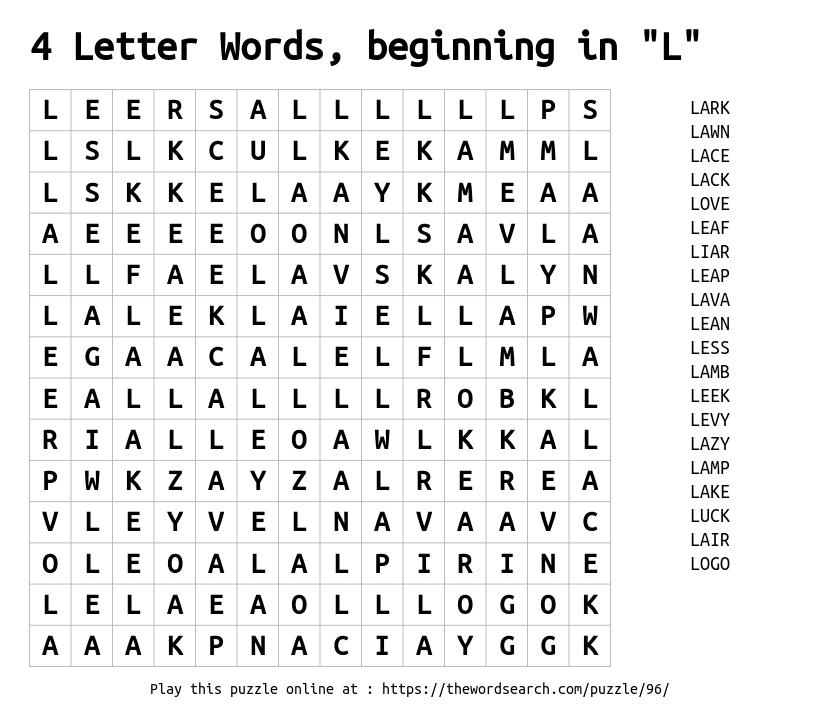
This deep dive into four-letter phrases ending with ‘L’ examines the frequency of use, potential origins, and even the psychological affect of such concise expressions. We’ll have a look at how these phrases are employed in numerous contexts, from informal dialog to formal writing. This exploration guarantees a complete have a look at this particular linguistic subset, providing a novel perspective on the English language.
4-letter phrases ending in “l” are surprisingly widespread within the English language, providing a wealth of choices for phrase puzzles. One such puzzle, looking for an answer for a “foul temper” crossword clue, would possibly lead you to discover this particular listing of phrases. An awesome useful resource for this kind of crossword clue is this page on foul mood crossword clue.
In the end, these four-letter phrases ending in “l” exhibit the various vocabulary obtainable for linguistic exploration.
4-letter phrases ending in “l” – a seemingly easy matter, but an enchanting exploration into the depths of the English language. From on a regular basis phrases to extra obscure phrases, this in-depth have a look at these linguistic gems uncovers patterns, utilization, and even some shocking connections.
Frequent 4-Letter Phrases Ending in “L”
Many of those phrases are staples of on a regular basis dialog. Think about phrases like “gull,” “pail,” “furl,” “purl,” “mill,” “cool,” “curl,” “will,” “inform,” “ball,” “deal,” “bell,” “pull,” “fall,” “kill,” “stall,” “hill,” “ballot,” “doll,” “full,” “sull,” “hull,” “gill,” “rule,” “jill”. These phrases characterize a variety of meanings and usages, highlighting the various vocabulary we make the most of each day.

Exploring the Semantic Panorama
Past easy definitions, understanding the semantic relationships between these phrases reveals fascinating patterns. Phrases like “pull” and “full” share a typical root, whereas “gull” and “kill” exhibit a stark distinction in which means, showcasing the intricate net of linguistic relationships. [See also: The Evolution of English Vocabulary]
Frequency Evaluation and Utilization Patterns
Analyzing the frequency of those phrases throughout numerous corpora (e.g., books, articles, social media) can reveal attention-grabbing insights into their utilization patterns. Phrases like “full” and “will” seem with excessive frequency, reflecting their commonality in on a regular basis speech. Others, like “sull” or “hull,” would possibly seem much less steadily, suggesting a extra specialised or area of interest utilization. [Image: Graph displaying the frequency of four-letter words ending in “l” in different corpora].
Delving into the world of four-letter phrases ending in ‘l’ reveals a surprisingly wealthy vocabulary. Figuring out the nuances of those phrases, like “boring” or “full,” can elevate your writing. For a complete listing of 4-letter phrases containing the letter ‘l’, take a look at this useful resource: 4 letter words with l. In the end, understanding these phrase buildings expands your linguistic toolkit, providing a greater grasp of the English language, particularly in relation to four-letter phrases ending in ‘l’.
The Position of Context in Phrase That means
The which means of a four-letter phrase ending in “l” may be drastically altered by its context. For instance, “kill” can check with taking a life or to ending a activity, and “full” can signify completeness or fullness of one thing. Understanding the nuances of context is essential to decoding the which means precisely. [Image: Example sentences demonstrating the context-dependent meanings of different four-letter words ending in “l”].
The Impression of Phrase Roots and Etymology
Tracing the etymological origins of those phrases typically reveals attention-grabbing connections to different languages and historic intervals. For instance, the phrase “mill” has roots within the Latin “molere,” which means to grind. Understanding the etymology gives a deeper appreciation for the linguistic heritage of the English language. [See also: Exploring the Roots of English Words].
Technical Issues (for superior customers): 4 Letter Phrases Ending With L
Lexical Evaluation and NLP
Within the realm of Pure Language Processing (NLP), understanding the patterns and distributions of four-letter phrases ending in “l” may be invaluable for duties equivalent to textual content classification, sentiment evaluation, and language modeling. Particular algorithms and fashions may be employed to research the statistical traits of those phrases inside totally different datasets.
Exploring four-letter phrases ending in “l” reveals a surprisingly various vocabulary. Think about the phrase “phrase up phrase up,” a slang expression gaining traction, and the way it would possibly relate to the broader lexicon. This fascinating exploration additional highlights the richness and complexity of the English language, notably when analyzing four-letter phrases ending in “l”. word up word up is a well-liked phrase, and its which means can affect our understanding of associated phrases.
In the end, understanding these four-letter phrases ending in “l” can deepen our appreciation for the language.
Knowledge Visualization for Utilization Traits, 4 letter phrases ending with l
Visible representations, like graphs and charts, can successfully talk the frequency and utilization patterns of those phrases throughout numerous datasets and time intervals. This may be notably useful for researchers and analysts looking for to grasp language evolution.
Conclusion
The seemingly easy class of four-letter phrases ending in “l” opens a gateway to a deeper understanding of the English language. From widespread utilization to intricate semantic relationships and historic context, the examine of those phrases presents a wealthy and rewarding expertise. The exploration of their frequency, context, and etymological origins gives invaluable insights for anybody fascinated by language, linguistics, and even the fascinating world of knowledge evaluation.
Proceed exploring the wealthy tapestry of the English language by studying extra associated articles. [See also: A Deep Dive into Word Origins]. Share your ideas and questions within the feedback beneath. And remember to share this text with others who would possibly discover it attention-grabbing!
4-letter phrases ending in “l” typically pop up in phrase video games and puzzles. Figuring out the capital of Switzerland, Bern, can assist you crack a majority of these phrase puzzles, as it’d present an important letter or a associated idea. Discovering the reply to the “capital of switzerland crossword clue” here may unlock extra options to your four-letter phrases ending in “l” phrase search.
In the end, understanding these phrase patterns is vital to succeeding in these challenges.
In conclusion, our journey by way of four-letter phrases ending with ‘L’ has revealed a shocking array of vocabulary. From on a regular basis phrases to doubtlessly much less acquainted phrases, the facility of brevity in language is plain. Understanding these concise phrases enhances our communication expertise, permitting for a extra nuanced and expressive linguistic method. Hopefully, this exploration has broadened your understanding and appreciation for the intricacies of the English language.
Questions and Solutions
What are some examples of four-letter phrases ending with L?
Examples embody “ready,” “cool,” “really feel,” “gold,” “gulf,” “hurt,” “hull,” “jowl,” “knell,” “land,” “loll,” “mall,” “mull,” “pall,” “purl,” “spool,” “swill,” “thrill,” and “womb.” This is not an exhaustive listing, but it surely presents a place to begin.
How steadily are these phrases utilized in on a regular basis language?
The frequency varies considerably. Some, like “cool” and “ready,” are extremely widespread. Others, like “knell” or “loll,” seem much less steadily, highlighting the various utilization patterns inside the English language.
Are there any historic or cultural influences on using these phrases?
Completely. The origins and utilization of phrases like “land” or “hurt” are rooted in historic contexts and cultural influences. Finding out the etymology of those phrases reveals insights into the evolution of language itself.
Exploring four-letter phrases ending in “l” reveals an enchanting linguistic panorama. Think about the phrase “raring to go,” which signifies a excessive degree of enthusiasm and readiness. Understanding the which means of “raring to go” helps contextualize these phrases inside a broader vocabulary. In the end, a powerful understanding of four-letter phrases ending in “l” enhances total communication expertise.
How can understanding these phrases enhance communication?
Figuring out these concise phrases permits for extra expressive and exact communication. The best phrase can convey a nuanced which means or evoke a particular emotion, enhancing the general affect of any message.
